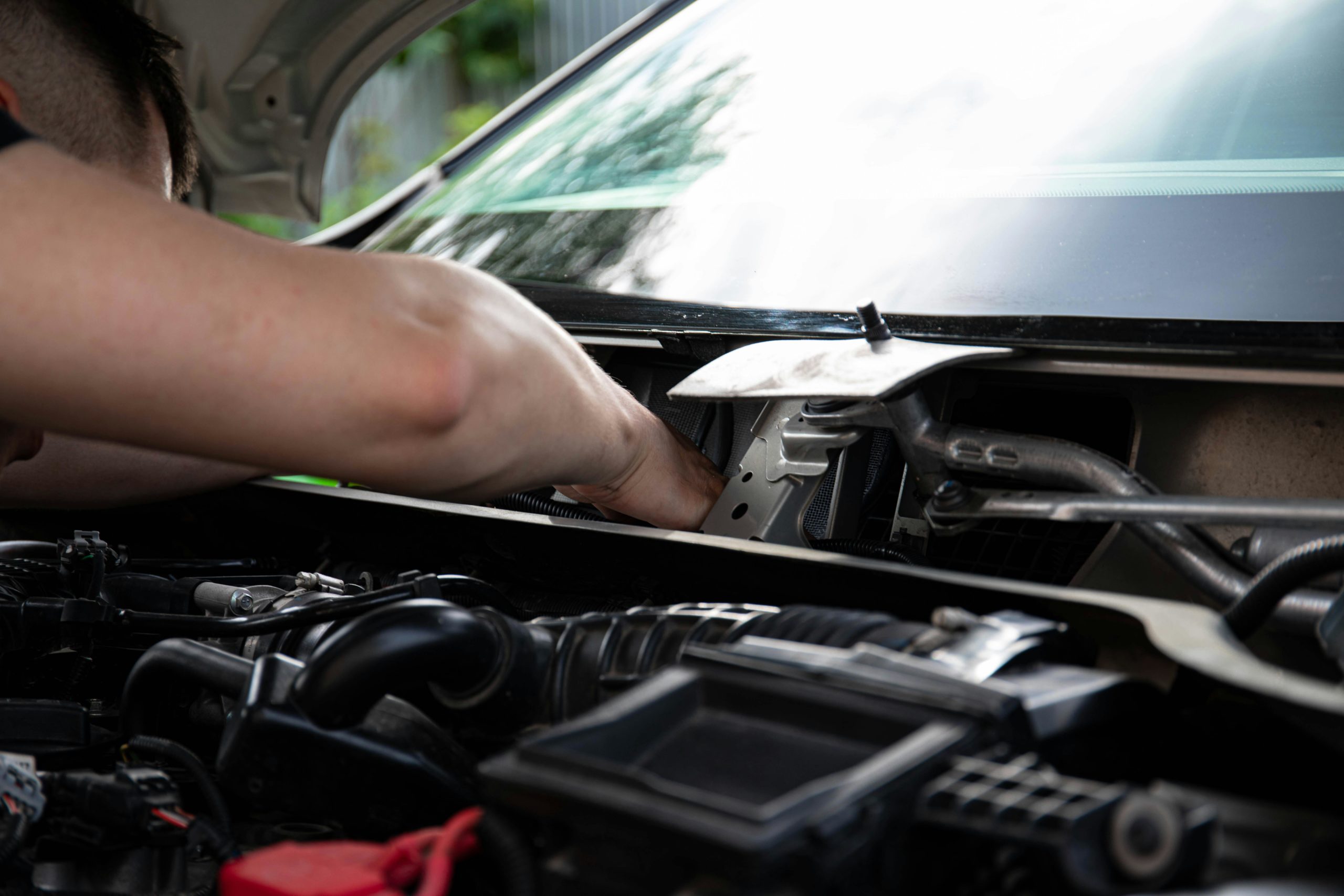
How Regular Aircon Regassing Improves Driving Comfort and Performance

Driving comfort often depends on more than just a smooth engine or comfortable seats. One of the most overlooked elements of a pleasant driving experience is the efficiency of your vehicle’s air conditioning system. A properly functioning system helps regulate cabin temperature, reduce humidity, and maintain clear visibility while driving. Many drivers only realise the importance of air conditioning when it stops performing effectively. During a routine car service in Hawthorn, mechanics frequently identify weak cooling systems caused by low refrigerant levels. Over time, refrigerant gradually escapes from the system, which reduces cooling efficiency. Regular aircon regassing helps restore performance, improves comfort during long drives, and ensures the system continues to operate reliably in varying weather conditions.

The Role of Refrigerant in Your Car’s Cooling System

Your vehicle’s air conditioning system relies on refrigerant gas to remove heat from the cabin and circulate cool air. This refrigerant travels through a closed system that includes the compressor, condenser, evaporator, and expansion valve. When these components work together correctly, warm air from the cabin is absorbed and replaced with cooler air.

However, refrigerant levels naturally decline over time. Even in well-maintained vehicles, small amounts of gas can escape through seals and hoses. As refrigerant decreases, the air conditioning system must work harder to produce the same cooling effect.

When the system struggles to maintain temperature, drivers often notice slower cooling or inconsistent airflow. This is usually an early sign that regassing may be necessary. Restoring the correct refrigerant level allows the compressor to operate efficiently again, helping the entire system return to its optimal cooling capacity.

Maintaining proper refrigerant levels ensures the air conditioning system performs consistently, especially during warmer seasons when the demand for cooling increases significantly.

How Low Refrigerant Levels Affect Driving Comfort

A poorly performing air conditioning system can affect far more than cabin comfort. When refrigerant levels drop, cooling efficiency declines, and the system may struggle to maintain a stable temperature.

Drivers often experience weak airflow, delayed cooling, or warm air coming from the vents. These issues can become particularly noticeable during summer traffic or long road trips when the cabin temperature rises quickly.

Reduced cooling performance also affects passenger comfort. Excess humidity inside the vehicle can create a stuffy environment, making journeys uncomfortable for everyone inside the car.

Another common consequence of low refrigerant is fogging on windows. Without proper air conditioning performance, the system may struggle to remove moisture from the air. This can reduce visibility during colder mornings or rainy weather.

By maintaining adequate refrigerant levels through regular servicing, drivers can ensure their vehicle’s climate system continues to deliver a comfortable environment regardless of outside conditions.

The Connection Between Air Conditioning Efficiency and Vehicle Performance

Many drivers assume air conditioning affects only comfort, but it can also influence vehicle efficiency. When refrigerant levels fall too low, the compressor must work harder to circulate the remaining gas. This additional strain increases energy demand from the engine.

Over time, this added workload can reduce fuel efficiency and place unnecessary stress on related components. A struggling compressor may also wear out faster, leading to more costly repairs if the issue is not addressed early.

During routine vehicle inspections, mechanics may notice that the air conditioning system is no longer cooling as effectively as it should. In such situations, they may recommend an aircon regas in Hawthorn to restore the proper refrigerant levels within the system. Replenishing the refrigerant helps reduce pressure on the compressor, allowing the air conditioning system to run more efficiently while delivering consistent cooling and improved driving comfort.

With proper refrigerant pressure, the air conditioning system can cycle normally without placing excess load on the engine. This helps maintain both vehicle performance and energy efficiency while preserving the longevity of key cooling components.

Preventing Expensive Air Conditioning Repairs

One of the biggest benefits of regular regassing is preventing expensive mechanical failures. When refrigerant levels become too low, internal components such as the compressor may overheat or experience excessive friction.

Over time, this can cause seals to deteriorate, hoses to weaken, or compressor components to fail entirely. Repairing or replacing these parts can be significantly more expensive than performing routine maintenance.

Regular inspections allow technicians to detect small refrigerant losses before they escalate into major problems. Early detection also helps identify leaks within the system that may otherwise go unnoticed.

Maintaining the air conditioning system ensures that critical components operate within their designed pressure and temperature ranges. This preventative approach helps extend the lifespan of the system and reduces the likelihood of sudden breakdowns.

Routine care also contributes to a more reliable driving experience, particularly during warmer months when air conditioning demand is at its highest.

Why Seasonal Maintenance Keeps Your Air Conditioning Reliable

Vehicle air conditioning systems operate year-round, even when cooling is not actively used. During winter, the system still plays a role in removing moisture from the air and preventing windows from fogging.

Because of this continuous use, seasonal maintenance is essential. Regular servicing ensures that seals remain lubricated, refrigerant pressure stays balanced, and internal components operate smoothly.

Drivers often wait until summer to test their air conditioning, only to discover that the cooling performance has weakened significantly. Preventative maintenance helps avoid this situation by ensuring the system remains ready for seasonal temperature changes.

A well-maintained air conditioning system also improves overall driving comfort by maintaining consistent airflow and balanced cabin temperature. When the system operates efficiently, it contributes to a safer and more enjoyable driving experience.

Maintaining your vehicle’s climate system is not just about comfort; it also protects mechanical components from unnecessary stress and helps ensure long-term reliability.

A reliable air conditioning system plays a crucial role in maintaining driving comfort, safety, and vehicle efficiency. Over time, refrigerant levels naturally decline, reducing the system’s ability to cool the cabin effectively. Regular regassing helps restore proper cooling performance, reduce strain on the compressor, and maintain optimal airflow inside the vehicle.

Routine maintenance also helps prevent costly repairs by identifying small issues before they escalate into major mechanical problems. Ensuring your air conditioning system operates correctly improves comfort during daily commuting, long road trips, and seasonal weather changes.

For drivers who want to maintain a comfortable and well-performing vehicle, the experienced team at Bob Watson Service Centre can assist with professional inspections and maintenance. To discuss your vehicle’s air conditioning needs, call 03 9882 2451.

Secrets to Keeping Your Audi Running Smoothly for Years

Audi vehicles are known for their refined engineering, smooth performance, and advanced technology. But owning an Audi isn’t just about enjoying how it drives today; it’s about maintaining that experience for many years to come. Like any precision-built car, an Audi needs consistent care and attention to stay reliable, efficient, and enjoyable on the road. Skipping maintenance or delaying small fixes can slowly undo the very qualities that make an Audi special. Many owners rely on an experienced mechanic in Hawthorn to help keep their vehicles in peak condition by addressing issues early and following a proactive approach to servicing. With the right habits and awareness, your Audi can continue to deliver comfort, performance, and confidence well into the future.

Follow a Consistent Service Schedule

One of the most important steps in maintaining your Audi is sticking to a regular service schedule. Audi vehicles are designed with specific service intervals in mind, based on kilometres driven and time on the road. These intervals aren’t suggestions; they’re carefully calculated to protect the engine, transmission, and other vital systems.

Regular servicing helps replace fluids before they break down, ensures filters remain clean, and allows wear-and-tear parts to be checked before they fail. Engine oil, for example, plays a critical role in lubrication and cooling. Over time, oil loses its protective qualities, which can lead to increased friction and internal engine wear if not changed on time.

A consistent service routine also helps identify small issues, such as minor leaks or sensor faults, before they develop into major repairs. This approach not only keeps your Audi running smoothly but also saves money over the long term by preventing avoidable damage.

Pay Attention to Warning Signs Early

Modern Audi vehicles are equipped with advanced onboard systems designed to alert drivers when something isn’t quite right. Dashboard warning lights, unusual noises, vibrations, or changes in performance should never be ignored. These signs often appear well before a serious problem develops.

For instance, a check engine light may indicate anything from a loose component to a fault affecting fuel efficiency or emissions. A slight hesitation when accelerating or a rough idle could point to ignition or sensor issues. Even subtle changes in braking feel or steering response can be early indicators of wear.

Addressing these warning signs promptly helps prevent secondary damage. Ignoring a small fault can place extra strain on surrounding components, turning a minor repair into a complex and costly one. Staying alert and acting early is one of the simplest ways to extend the life of your Audi.

Protect the Engine with Quality Fluids and Parts

Audi engines are built with tight tolerances and advanced components, which means they rely heavily on high-quality fluids and replacement parts. Using the correct engine oil, coolant, brake fluid, and transmission fluid is essential for maintaining performance and longevity.

Low-quality or incorrect fluids can reduce lubrication, cause overheating, or interfere with system pressure. Over time, this can lead to premature wear of seals, bearings, and internal components. The same applies to replacement parts. Brake pads, filters, and belts should meet manufacturer standards to ensure compatibility and durability.

Investing in the right parts and fluids isn’t about being excessive; it’s about protecting the engineering that makes your Audi perform the way it does. Proper care at this level keeps the engine running efficiently and helps avoid long-term reliability issues.

Don’t Overlook Transmission and Drivetrain Care

The transmission and drivetrain play a huge role in how smoothly your Audi drives. Whether it’s an automatic, dual-clutch, or quattro all-wheel-drive system, these components require proper maintenance to function as intended.

Transmission fluid degrades over time, even if it appears clean. As it breaks down, it loses its ability to lubricate and cool internal components effectively. This can result in rough shifting, delayed response, or increased wear inside the gearbox.

Regular inspections of the drivetrain also help identify issues such as worn mounts, fluid leaks, or early signs of bearing wear. Taking care of these components ensures power is delivered smoothly from the engine to the wheels, preserving both performance and driving comfort.

Maintain Cooling, Braking, and Suspension Systems

Your Audi’s performance and safety depend heavily on systems that often don’t get much attention until something goes wrong. The cooling system, brakes, and suspension all play vital roles in everyday driving.

The cooling system prevents engine overheating and protects internal components from heat damage. Old coolant, leaking hoses, or failing water pumps can quickly lead to serious engine problems if ignored. Regular checks help keep temperatures stable and prevent breakdowns.

Brakes and suspension affect not only safety but also ride quality and tyre wear. Worn brake components reduce stopping power, while tired suspension parts can cause uneven handling and increased strain on other systems. Keeping these areas well maintained helps your Audi feel stable, responsive, and safe on the road.

Use Specialist Knowledge for European Vehicles

Audi vehicles are packed with advanced electronics, sensors, and software-driven systems. From adaptive driving features to sophisticated engine management, these technologies require specialised knowledge and diagnostic tools to service correctly.

Having your vehicle checked by professionals familiar with European cars ensures issues are identified accurately and resolved properly. General servicing knowledge may not always be enough to understand the complexities of modern Audi systems. This is why many owners choose workshops experienced in Audi service in Hawthorn, where mechanics understand the specific needs of these vehicles.

Specialist care ensures software updates, fault codes, and system calibrations are handled correctly, helping your Audi remain reliable and enjoyable to drive for years.

Keeping your Audi running smoothly for years isn’t about one big decision; it’s about a series of smart, consistent choices. Regular servicing, early attention to warning signs, and proper care of key systems all work together to protect performance, safety, and long-term value.

If you’re looking for experienced support and reliable advice, the team at Bob Watson Service Centre is here to help. With a deep understanding of European vehicles and a practical approach to maintenance, we’re committed to keeping your Audi in excellent condition.

Call 03 9882 2451 to book your next service or inspection. We proudly support Audi owners across Hawthorn East, Balwyn, Camberwell, Canterbury, and Kew, helping drivers enjoy smooth, confident motoring year after year.

Car Warning Signs That Shouldn’t Be Ignored Anymore

Your car has its own way of telling you something isn’t right. Strange noises, warning lights, or even subtle changes in how it drives can be early signs of trouble. While it’s easy to dismiss these signs as minor, ignoring them often leads to bigger and more expensive problems. Staying alert to early symptoms and booking a timely car service in Hawthorn can prevent breakdowns and keep your vehicle running smoothly.

1. Dashboard Warning Lights

Dashboard warning lights are your car’s direct way of saying, “Something needs attention.” Some of the most critical lights include the check engine light, oil pressure warning, battery alert, and ABS (anti-lock braking system).

When a check engine light comes on, it could be due to something as simple as a loose fuel cap or as serious as engine misfiring. Ignoring it risks further damage to the engine or emissions system.

Similarly, the oil light indicates a drop in oil pressure, which can result in severe engine wear if not resolved quickly. The battery light may suggest an alternator issue, which, if left unchecked, can leave you stranded.

Don’t guess or delay have your mechanic run a diagnostic to identify the root cause. Early detection saves you time, money, and unnecessary stress.

2. Unusual Noises While Driving

Unfamiliar sounds while driving are often the first indicators that something’s wrong. Squealing when braking can signal worn brake pads, while grinding might point to damaged rotors.

A knocking sound from the engine could be due to worn bearings or low oil levels. Clicking noises during turning may indicate CV joint issues. Whining from under the bonnet might suggest power steering or belt tension problems.

Every sound has a source, and it’s usually your vehicle’s way of alerting you to something failing. Acting on these noises early helps avoid more serious problems and potential safety risks.

3. Poor Air Conditioning Performance

If your car’s air conditioning is blowing warm air, taking longer to cool, or emitting odd smells, it’s time to get it checked. These signs can indicate low refrigerant, a faulty compressor, or leaks in the system.

Drivers often overlook cooling issues until the weather heats up when it becomes a real problem. But weak aircon isn’t just about comfort it can affect your vehicle’s overall health. For example, a faulty compressor can place strain on the engine and impact fuel efficiency.

Professional aircon repairs in Hawthorn can help identify the exact cause and restore optimal cooling before it fails completely. Getting it inspected sooner rather than later can save you a major repair bill later.

4. Vibrations, Pulling or Handling Changes

If your steering wheel vibrates or your vehicle pulls to one side while driving, these can be signs of alignment issues, suspension wear, or tyre damage.

Vibrations during braking can also indicate warped brake rotors or uneven wear on brake components. These symptoms not only affect driving comfort but also safety especially at higher speeds.

Changes in steering responsiveness or stiffness may point to low power steering fluid or mechanical faults in the steering rack. Don’t overlook these signs, as handling-related problems can quickly lead to dangerous driving conditions if ignored.

5. Leaks or Unusual Fluid Spots

Noticing a patch under your parked car? Leaks should never be ignored. Each fluid plays a vital role in your vehicle’s performance and protection.

Oil leaks can lead to low lubrication levels, damaging engine components. Coolant leaks may cause overheating, while brake fluid leaks compromise stopping power a serious safety issue. Transmission fluid, power steering fluid, and even washer fluid leaks all signal maintenance needs.

Fluids vary in colour: oil is usually brown or black, coolant green or pink, and brake fluid clear to yellow. If you spot anything unusual under your vehicle, book a check-up immediately to prevent mechanical failure.

6. Decrease in Fuel Efficiency or Power

A sudden drop in fuel efficiency or sluggish performance is a red flag. These issues may be caused by clogged air filters, failing spark plugs, dirty fuel injectors, or sensor faults.

You may notice the car struggling to accelerate, idling rough, or misfiring. While these changes might seem minor, they usually indicate bigger issues with your engine or fuel system.

Delaying diagnosis often leads to increased fuel costs and further damage to essential components. Regular servicing and tune-ups help keep your vehicle running efficiently and help catch these issues before they snowball.

Staying alert to your vehicle’s warning signs is key to preventing expensive repairs and ensuring your car remains safe, efficient, and roadworthy. From dashboard lights to strange sounds and performance drops, each sign is your car’s way of asking for attention.

If you’ve noticed any of these issues, don’t wait. Get professional advice and servicing from the trusted team at Bob Watson Service Centre. Our qualified mechanics are here to help with everything from diagnostics and repairs to air conditioning checks and scheduled maintenance.

Call 03 9882 2451 to book your next inspection or service. We proudly support drivers across Hawthorn East, Balwyn, Camberwell, Canterbury, and Kew, ensuring every vehicle gets the care it needs to stay in top condition.

What Your Logbook Service Actually Covers and Why It Matters

When it comes to looking after your vehicle, regular servicing plays a critical role in ensuring its safety, reliability, and long-term value. One of the most overlooked yet essential aspects of vehicle maintenance is the logbook service. Designed in line with your manufacturer’s specifications, a logbook service keeps your car running efficiently, protects your warranty, and helps detect potential issues before they escalate. Whether you drive a new or used vehicle, staying on top of your scheduled service intervals is key. Many local drivers benefit from a trusted car service in Hawthorn, which helps maintain performance and peace of mind.

Understanding What a Logbook Service Really Is

A logbook service is a structured, scheduled maintenance program recommended by your vehicle’s manufacturer. Unlike a general service that may only include basic fluid changes and checks, a logbook service follows a detailed list of requirements specific to your car’s make, model, and mileage.

It’s designed to ensure your car is operating exactly as the manufacturer intended. Each service milestone (e.g., 10,000km, 20,000km, etc.) includes checks and adjustments tailored to that stage in your vehicle’s lifespan. These may include:

  • Changing engine oil and oil filter
  • Inspecting brakes and suspension
  • Checking transmission, steering, and cooling systems
  • Testing battery performance
  • Replacing air and cabin filters when required
  • Scanning the vehicle’s computer for error codes

Importantly, a qualified technician signs off each completed service in the logbook, keeping an official record of your car’s maintenance history.

The Importance of Maintaining Your Warranty

One of the biggest advantages of adhering to logbook servicing is maintaining your manufacturer’s warranty. Many people assume you must return to the dealership for servicing to keep your warranty intact but that’s no longer the case under Australian Consumer Law.

As long as the service is performed by a qualified mechanic, using approved parts and fluids, your warranty remains valid. This means you can enjoy the personalised care of an independent service centre without risking your warranty coverage.

Maintaining a clear, up-to-date logbook proves that your vehicle has been serviced properly. If you ever need to make a warranty claim, having those logbook entries is vital evidence that you’ve met your obligations as the owner.

Protecting Resale Value with a Verified Service History

When the time comes to sell or trade in your car, a complete logbook history can significantly improve its resale value. Prospective buyers or dealers look for well-maintained vehicles with documented servicing. A completed logbook shows that the car has been regularly checked and cared for making it a far more attractive option.

Even minor oversights in your service history can raise red flags for potential buyers. Gaps in your logbook may lead them to believe the car has been neglected or that issues have gone unaddressed.

Buyers are more willing to pay a premium for a car with a clean logbook. It’s more than just a notebook- it’s a reflection of how well you’ve looked after your investment. Keeping up with your scheduled logbook service in Hawthorn helps ensure that when it’s time to sell, your vehicle stands out as a well‑maintained and more desirable option in the market.

Avoiding Costly Repairs Through Preventive Checks

One of the less obvious but highly valuable benefits of logbook servicing is early problem detection. Each scheduled service includes a wide range of checks that help catch wear and tear before it leads to breakdowns or expensive repairs.

For example, identifying worn brake pads, minor oil leaks, or a tired battery during a scheduled check allows you to act before it causes further damage. Similarly, checking the cooling system, hoses, and belts at regular intervals helps prevent engine overheating or breakdowns on the road.

Regular servicing keeps your vehicle in peak condition and saves you money in the long run. Preventive care is always cheaper than reactive repairs. The logbook isn’t just there to tick boxes it’s a powerful maintenance tool that works in your favour.

Enhancing Fuel Efficiency and Performance

Vehicles that are well maintained perform more efficiently. Dirty air filters, worn spark plugs, or low fluid levels all affect how hard your engine has to work. Left unchecked, these issues can increase fuel consumption and reduce engine life.

A logbook service ensures that the right components are replaced or cleaned at the right time. This includes checking fuel system integrity, throttle response, and tyre pressure all of which play a role in how efficiently your vehicle runs.

Over time, regular maintenance adds up to better performance and fewer surprises. Your engine runs smoother, your gears shift better, and your vehicle simply feels more responsive on the road.

A logbook service isn’t just a checklist it’s your vehicle’s personalised maintenance roadmap. It safeguards your manufacturer’s warranty, protects resale value, catches hidden issues early, and ensures top performance year after year. Ignoring it may save time today, but it could cost you more tomorrow.

At Bob Watson Service Centre, our experienced team follows your manufacturer’s guidelines to deliver professional, precise logbook servicing tailored to your vehicle. Whether you’re due for your next service or haven’t had one in a while, we’re here to help. Call us on 03 9882 2451 to book your next service today. We’re proud to assist drivers across Hawthorn East, Balwyn, Camberwell, Canterbury, and Kew, making sure every vehicle receives the attention and care it truly deserves.

Top Reasons Your Car Aircon Blows Warm Air

Nothing feels worse than switching on your car’s air conditioning on a hot day and realising it’s blowing warm air instead of the refreshing cool breeze you expect. A car’s air conditioning system is designed to maintain comfort, but when it fails, it’s often a sign that something deeper is wrong. For many vehicle owners, scheduling a routine car service in Hawthorn helps detect aircon issues before they worsen.

If your air conditioning system isn’t performing as it should, understanding the common causes can save you time, money, and discomfort. Here are the top reasons your car aircon might be blowing warm air and what can be done to fix it.

Low or Leaking Refrigerant

The most common cause of warm air coming from your car’s air conditioning is low refrigerant levels. The refrigerant (or gas) is the lifeblood of the cooling system it circulates through the compressor, condenser, and evaporator to absorb heat and produce cool air.

If the refrigerant level drops, it means the system can no longer cool effectively. In many cases, this happens due to a leak in one of the hoses, seals, or components. Even a small leak can cause a slow loss of pressure that affects cooling performance over time.

A qualified mechanic can perform a pressure test to detect leaks and regas the system once the problem is fixed. Regassing restores the correct amount of refrigerant, allowing the aircon to blow cold again.

Faulty Compressor

The compressor is the heart of your car’s air conditioning system. It’s responsible for pressurising and circulating refrigerant throughout the system. When it fails, the entire cooling process stops.

Compressor failure can result from wear and tear, contamination, or prolonged inactivity. If the aircon hasn’t been used for a long time, the seals and components inside may dry out, leading to reduced performance or total failure.

In some cases, you may hear grinding or rattling noises when the compressor starts, indicating internal damage. Replacing or repairing a compressor can be costly, but it’s essential for restoring proper function and preventing further system damage. If your aircon struggles to stay cool even after basic servicing, it may be time to consider professional aircon repairs in Hawthorn for an accurate diagnosis and fix.

Electrical or Sensor Issues

Modern vehicles rely heavily on electrical systems and sensors to control air conditioning performance. If one of these sensors fails or sends incorrect data, the system may shut off the compressor or limit cooling.

Problems like a blown fuse, faulty relay, or broken switch can also interrupt power flow, causing the aircon to stop working properly. Sometimes, the issue lies in the climate control unit itself, especially if your car has automatic temperature regulation.

These problems often require diagnostic tools to identify and repair. An experienced mechanic can pinpoint whether the fault is electrical or mechanical and ensure all connections and sensors are functioning correctly.

Blocked or Dirty Condenser

The condenser’s job is to release heat from the refrigerant into the air outside your car. Located near the front of the vehicle, it’s exposed to dust, debris, and road grime. Over time, these particles can build up and block airflow through the condenser’s fins.

A blocked condenser means heat isn’t being expelled efficiently, which prevents the refrigerant from cooling properly. The result? Warm or inconsistent airflow inside the cabin.

In some cases, physical damage from rocks or road debris can cause refrigerant leaks. Regular cleaning and inspection of the condenser can help prevent these issues and maintain effective cooling.

Faulty Blower Motor or Cabin Air Filter

Sometimes, the issue isn’t with the cooling system itself but with the airflow inside your car. The blower motor pushes cold air through the vents, and if it’s failing, you’ll notice weak or no airflow even if the system is cold.

Similarly, a clogged cabin air filter can restrict airflow, making the air feel warmer than it should. Dust, pollen, and other debris build up over time, reducing efficiency. Replacing the filter is quick, inexpensive, and can significantly improve air circulation and cooling.

It’s recommended to check and replace the cabin filter at least once a year, especially if you drive in dusty or high-traffic areas.

Failing Expansion Valve or Orifice Tube

The expansion valve (or orifice tube) regulates how much refrigerant enters the evaporator. If this component becomes clogged or fails, the refrigerant flow becomes inconsistent.

Too little refrigerant flow causes poor cooling performance, while too much can create excess pressure, damaging other parts of the system. This can lead to uneven cooling, where the air starts cold but turns warm after a few minutes.

Replacing a failing expansion valve is a precise job that requires professional expertise and proper tools. It’s one of those components that highlight the importance of regular maintenance for long-term reliability.

When your car’s air conditioning starts blowing warm air, it’s a clear sign that something isn’t right. While some causes are minor, others can lead to expensive repairs if left unattended. Regular servicing ensures that every part of your aircon system compressor, refrigerant, and filters stays in perfect working order.

If you’re experiencing cooling problems or need professional help with your air conditioning system, the team at Bob Watson Service Centre is here for you. With years of experience in diagnosing, regassing, and restoring air conditioning systems, they’ll make sure your car stays cool and comfortable all year round.

Call 03 9882 2451 today to book your inspection or service. Stay cool, drive confidently, and enjoy every journey in total comfort.

How to Ensure a Fair Deal with Pre-Purchase Inspections

Buying a used car can be an exciting milestone, but it also carries some risk especially if you don’t know the vehicle’s true condition. From hidden mechanical issues to poorly maintained systems, what looks good on the outside may not always hold up under the bonnet. This is where pre-purchase inspections come in.

Getting a professional to inspect the vehicle before finalising the deal can make all the difference. Many buyers turn to trusted workshops offering car repairs in Hawthorn to uncover any faults before committing to a purchase. A thorough inspection not only protects your finances but also helps you negotiate a fair price with confidence.

Understand What a Pre-Purchase Inspection Covers

A proper pre-purchase inspection is more than just a quick glance under the bonnet. It involves a comprehensive assessment of the vehicle’s mechanical systems, safety features, and overall condition.

The process typically includes checking the engine, brakes, transmission, cooling system, suspension, steering, tyres, lights, and even the body for rust or previous accident repairs. The interior components such as seatbelts, dashboard electronics, and air conditioning are also reviewed.

What’s valuable about this inspection is that it reveals both current problems and early signs of future wear. Even small leaks, uneven tyre wear, or worn brake pads can indicate poor maintenance or underlying issues. Knowing these details allows you to factor in future costs and avoid overpaying.

Never Rely Solely on a Test Drive

Many buyers fall into the trap of thinking a smooth test drive is proof the car is in good shape. While a test drive is important, it doesn’t always expose hidden problems especially those that require a trained eye or specialised tools.

For example, transmission issues might not show themselves during a short drive, but an experienced technician may notice early signs of wear or fluid leaks that indicate deeper trouble. Likewise, issues with wheel alignment, steering response, or exhaust performance can be subtle to an untrained driver.

By combining a test drive with a professional inspection, you get a fuller picture. It’s an essential safeguard to make sure what feels right also is right, mechanically and structurally.

Use the Inspection Report as a Negotiation Tool

One of the best benefits of a pre-purchase inspection is the detailed report it provides. This isn’t just a checklist it’s a record of the vehicle’s health, and it can be a powerful tool during negotiations.

If the inspection reveals worn tyres, overdue servicing, minor fluid leaks, or brake wear, these are costs you’ll soon face. Bringing this information to the seller gives you a fair reason to negotiate the price, or in some cases, request that the issues be fixed before purchase.

Sellers who are confident in their vehicle’s condition should have no problem agreeing to an inspection. If they’re reluctant or make excuses, it may be a red flag. An honest deal should always welcome a second opinion.

Identify Safety Risks Before Committing

The importance of vehicle safety cannot be overstated, especially if you’re buying a car for family use or long commutes. An inspection helps uncover safety issues that might be missed otherwise.

This includes worn brake pads, old tyres, faulty lights, airbag warning lights, steering play, or rust around structural points. These faults can not only cost you money but could also pose serious risks on the road.

Knowing that your vehicle is safe before driving it home gives you peace of mind. That peace of mind is difficult to put a price on but a pre-purchase inspection gives you exactly that assurance.

Make Sure You’re Not Buying Someone Else’s Neglect

Used cars often come with a history and not always a good one. Some vehicles may have missed scheduled servicing or been poorly repaired after an accident. Others could have hidden issues like odometer tampering or unresolved engine problems.

A professional pre-purchase inspection in Hawthorn can reveal signs of neglect that the seller might not disclose. This includes mismatched paint, replaced panels, or patchy service history records. Even something as simple as heavily worn pedals in a low-kilometre car could raise suspicion.

An inspection protects you from inheriting someone else’s problems. It’s not about distrust it’s about being thorough, informed, and confident in your purchase decision.

Choose the Right Inspection Provider

Not all inspections are equal. Make sure your vehicle is assessed by a qualified and independent mechanic with experience in the make and model you’re buying.

Workshops that offer detailed reporting, allow you to be present during the inspection, or offer follow-up support are ideal. Avoid rushed or cheap inspections that might gloss over important points.

The right mechanic will take time to explain what they find, answer your questions, and even estimate potential future maintenance costs. This kind of insight is invaluable when you’re making a long-term investment like buying a car.

A pre-purchase inspection is one of the smartest steps you can take when buying a used vehicle. It protects your budget, your safety, and your future driving experience. Knowing exactly what you’re getting into helps you make confident, fair, and informed decisions.

At Bob Watson Service Centre, we offer thorough, professional pre-purchase inspections backed by years of experience in diagnosing and car repairs. If you’re about to buy a used car and want honest, detailed feedback, we’re here to help.

Call us today on 03 9882 2451 to book your pre-purchase inspection. Before you commit to a deal, make sure you know the full story behind the car.

How Roadworthy Certificates Safeguard Your Vehicle’s Long-Term Value

When thinking about vehicle maintenance, safety and performance often come to mind first. However, maintaining your car’s long-term value is just as important especially if you plan to sell, trade in, or upgrade your vehicle down the track. One of the most overlooked tools in preserving a car’s value is the roadworthy certificate. While many view it as a legal formality, it actually plays a significant role in confirming a vehicle’s condition.

Working with an experienced mechanic in Hawthorn can help ensure your vehicle remains in excellent shape and passes roadworthy inspections without hassle. In this article, we’ll unpack how roadworthy certificates contribute to the ongoing value of your car and why they’re more than just paperwork.

Encourages Preventive Maintenance

To keep a vehicle roadworthy, regular checks and servicing are necessary. This often prompts owners to take care of minor issues before they become bigger and more expensive problems.

Knowing that a roadworthy inspection is due can motivate timely tyre replacements, brake repairs, or suspension checks. These small acts of preventive maintenance help preserve not only your safety but also the overall health and value of your car.

By staying ahead of wear and tear, you reduce the risk of major component failures. This approach keeps your car performing well, minimises the chance of breakdowns, and protects its market value over time.

Proof of Ongoing Vehicle Condition

A valid roadworthy certificate in Hawthorn is a clear indication that your vehicle meets essential safety standards. This certificate confirms that key systems brakes, suspension, tyres, steering, and more are functioning correctly.

For prospective buyers, this certificate acts as reassurance that the car is in safe, drivable condition. When you’re selling a car, having an up-to-date roadworthy certificate removes a barrier for the buyer and increases the likelihood of a smooth transaction.

From a long-term perspective, keeping your vehicle in a condition that regularly passes inspections encourages consistent upkeep. It sets a benchmark for maintenance and creates a documented history of responsible ownership something that definitely adds to your car’s resale appeal.

Builds a Strong Service and Safety Record

Buyers today are more informed than ever. Most will want to see a vehicle’s service history and any inspection reports. A record that includes regular roadworthy checks shows that the car has been cared for properly.

It also demonstrates that safety hasn’t been compromised. Features like working lights, sound tyres, effective brakes, and solid suspension can all be validated through roadworthy testing.

Not only does this make your car more attractive when it’s time to sell, but it also provides peace of mind for you as an owner. It reinforces the idea that your car remains compliant with safety standards, giving you confidence every time you’re behind the wheel.

Identifies Wear and Tear Before It Becomes Costly

Routine inspections required for a roadworthy certificate give you insights into gradual wear and tear that can otherwise go unnoticed.

For example, slightly uneven tyre wear may indicate a wheel alignment issue, while a minor oil leak could point to a deteriorating gasket. Catching these issues early prevents them from developing into problems that could significantly lower your car’s value or lead to expensive repairs.

Many of these inspections cover systems not typically checked during a basic oil change or casual service. Having your vehicle assessed by a qualified mechanic can help highlight potential problems before they damage your car’s longevity or resale potential.

Helps During Insurance or Finance Assessments

Insurance providers and financial institutions often consider a vehicle’s condition when offering cover or finance rates. A well-maintained vehicle with a recent roadworthy certificate can sometimes lead to better outcomes in both situations.

This certificate is not just about legality it signals that your vehicle has met key safety and performance criteria. It might be particularly useful in cases of write-offs or when disputing a vehicle valuation.

In the event of an accident or claim, proof that your vehicle had passed inspection recently can support your case that it was roadworthy and properly maintained at the time.

Increases Buyer Confidence at Resale

When it’s time to sell your car, first impressions count. But even more important than a shiny exterior is a verified roadworthy condition.

A current roadworthy certificate allows you to advertise your car as ready to drive away. Buyers won’t have to arrange an inspection themselves, which makes your vehicle more appealing and easier to sell.

It also shows you’re not hiding any defects or mechanical issues. This transparency builds trust and justifies your asking price. The better condition your car is in, the higher the resale value and a valid roadworthy certificate plays a big role in supporting that value.

Keeping your vehicle in top condition isn’t just about safety it’s also about protecting its future value. A roadworthy certificate is more than a legal necessity; it’s a reflection of your car’s overall condition and maintenance history.

If your vehicle is due for inspection or you want to make sure it’s in the best shape possible before selling, the expert team at Bob Watson Service Centre is here to help. With reliable inspections, repairs, and diagnostics, we’ll ensure your car meets the mark and stays in excellent condition. Call us today on 0398822451 to book your roadworthy inspection or speak to one of our experienced mechanics. Give your vehicle the care it deserves and the value it can hold.

Unlocking the Secrets Behind Long-Lasting BMW Reliability

BMW is renowned for combining performance, luxury, and engineering precision in one sleek package. But behind the reputation lies a truth every BMW owner should know—reliability doesn’t come by chance. It’s the result of consistent care, expert servicing, and staying in tune with the vehicle’s advanced systems.

Owners who prioritise regular maintenance, especially those engaging in a trusted car service in Hawthorn, often enjoy years of smooth performance without the headaches of breakdowns or unexpected repair costs.

BMW’s Engineering DNA

BMWs are engineered with precision and high-performance capabilities in mind. Everything from the engine components to the transmission is designed to work seamlessly together.

This commitment to engineering quality means BMWs perform at a high level—but it also means they demand attention to detail when it comes to maintenance. When one part starts to wear, it can impact the performance of several other components, especially in models equipped with complex systems like turbochargers or dual-clutch gearboxes.

To maintain this finely tuned balance, it’s essential to stick to the recommended servicing schedule. This includes oil changes, cooling system checks, and condition-based servicing that adapts to your driving habits.

Importance of Timely Oil Changes

Oil is the lifeblood of your engine. BMW engines are particularly sensitive to oil condition due to their high-performance nature and tight tolerances.

Skipping oil changes or using poor-quality oil can lead to premature wear on engine parts, reduced performance, and, in severe cases, engine failure. Many BMWs are fitted with condition-based service systems that alert drivers when oil changes are due — but relying solely on those alerts can sometimes be risky.

By keeping oil changes regular and consistent, you help the engine run cleaner, reduce friction, and prolong the lifespan of your vehicle. This is especially critical for turbocharged models where heat and pressure are higher than average.

Cooling System: A Key to Engine Longevity

BMW engines generate a significant amount of heat, particularly under performance driving conditions. A properly functioning cooling system is vital to prevent overheating and warping of internal components.

Coolant should be flushed and replaced at regular intervals, and components such as the radiator, water pump, and thermostat should be inspected during routine servicing.

Leaks in the cooling system can often go unnoticed until they become serious. A simple drop in coolant level can lead to catastrophic engine damage if not addressed. Regular servicing ensures these components are functioning properly and that the coolant mix is suited to Australian conditions.

How Electrical Systems Affect Reliability

Modern BMWs are packed with electronics—from comfort features to safety systems and engine management software. While this technology enhances driving experience, it also introduces complexity that requires expert attention.

A minor electrical issue, such as a sensor failure, can affect various systems across the vehicle. This could trigger warning lights, reduce performance, or place the car in ‘limp mode’. These systems need to be checked with diagnostic tools specific to BMWs.

Having access to professional BMW service in Hawthorn, can mean the difference between a quick fix and a costly ordeal.

Transmission and Gearbox Maintenance

BMWs are often equipped with advanced transmissions, including the ZF 8-speed automatic and the dual-clutch transmission found in performance models. These systems are known for their responsiveness and smooth operation but also require specific care.

Transmission servicing, including fluid replacement, is crucial to maintaining gear changes and avoiding wear on clutch packs or solenoids.

Failure to service the transmission can lead to hesitation, hard shifts, or gearbox failure. BMWs may not always list transmission fluid changes as part of standard maintenance, so it’s important to ask your technician whether the service is needed based on vehicle age or mileage.

Staying Ahead with Preventive Maintenance

Preventive maintenance goes beyond what’s listed in your service book. It includes having your mechanic look out for early signs of wear, replacing components before failure, and keeping an eye on fluids, hoses, and belts.

Common wear items like brake pads, suspension bushings, and timing chain tensioners can deteriorate slowly, impacting both performance and safety. Staying ahead of these issues ensures your BMW continues to drive the way it was designed to.

Long-lasting reliability isn’t just about avoiding breakdowns—it’s about preserving the joy of driving a BMW, knowing that every part of the vehicle is performing as it should.

BMW ownership should be an experience that brings both confidence and driving pleasure. But achieving long-term reliability takes more than just enjoying the ride—it requires proactive care and expert attention.

Whether it’s oil servicing, diagnostics, cooling system checks, or specialist gearbox maintenance, the team at BobWatsonServiceCentre is ready to help keep your BMW running at its best. With experience in premium European vehicles and a commitment to honest, high-quality service, you’re in trusted hands.

Call us today on 03 9882 2451 to book your next BMW check-up or service. Enjoy every kilometre with the peace of mind that your vehicle is well looked after.

Top Reasons Your Car Might Fail a Roadworthy Inspection

A roadworthy inspection is a vital part of keeping vehicles safe on Australian roads. Whether you’re planning to sell your car, re-register it, or just want to ensure it’s in good shape, the roadworthy test checks for safety and compliance. Yet, many vehicles fail due to issues that could have been easily avoided. Drivers looking for car repairs in Hawthorn are often surprised when their vehicle doesn’t pass the inspection—even when it seems to be running fine.

Understanding the most common reasons for failure can help you prepare your vehicle beforehand and avoid unnecessary delays or costs. From tyres to brake lights and everything in between, knowing what to expect can make a world of difference. Let’s take a look at the top causes that can stand between your car and a roadworthy certificate in Hawthorn.

Worn or Damaged Tyres

Tyres are one of the most common culprits behind a failed inspection. While they may appear acceptable at a glance, inspectors closely examine them for tread depth, wear patterns, sidewall damage, and cracks.

The legal minimum tread depth in Victoria is 1.5mm, but uneven wear can cause issues even above that level. Misaligned wheels, suspension problems, or over- or under-inflation can lead to abnormal wear that compromises tyre performance.

Bald spots, bulges, or sidewall splits are all considered unsafe. Even your spare tyre must meet basic roadworthy conditions. If you haven’t checked your tyres in a while, it’s worth doing so before heading to your inspection appointment.

Faulty Brakes or Brake Components

Brakes are a major safety concern and are thoroughly tested during an inspection. This includes brake pads, discs, calipers, brake lines, and the handbrake.

Squeaking or grinding noises, a spongy brake pedal, or pulling to one side under braking can all indicate problems. Brake fluid that’s old or contaminated can reduce braking effectiveness, and worn pads may not provide the stopping power required by safety standards.

If your handbrake doesn’t hold the car on a slope, it will be marked as a failure. Regular servicing and timely pad or fluid replacement can help avoid this problem. For many vehicles, neglected brake maintenance is a quick path to roadworthy failure.

Lighting and Electrical Issues

It’s surprising how often a vehicle fails due to something as simple as a blown bulb. Inspectors check all exterior lights, including headlights, brake lights, tail lights, indicators, and number plate illumination.

Cracked or foggy light lenses, uneven brightness, or lights not functioning properly will result in a fail. It’s also essential that the dashboard warning lights are working as intended and that there are no unexplained warning signals illuminated when the car is started.

Simple pre-inspection checks like testing all lights and indicators can save you time and money. Replacing a faulty globe takes only minutes, but failing for one can be frustrating if you’re otherwise in the clear.

Suspension and Steering Problems

Your vehicle’s suspension and steering systems affect handling, comfort, and safety. Excessive play in the steering wheel, clunking noises over bumps, or uneven ride height are all red flags.

Inspectors will look for worn ball joints, leaking shock absorbers, damaged bushings, and loose steering components. If your car doesn’t feel stable while turning or has noticeable body roll, these issues may show up during the test.

A poorly maintained suspension system doesn’t just fail inspections—it affects how your tyres wear and how well your brakes work. Getting these systems checked before an inspection is well worth the effort.

Windscreen and Wipers

Visibility is a key safety factor, and your windscreen must be in good condition to pass inspection. Cracks in the driver’s line of sight, chipped glass, or poor wiper performance can all lead to a fail.

Windscreen washers must spray correctly, and wipers should clean the screen effectively without streaks. Blades that are cracked or split can be replaced easily and affordably.

Defrosters and demisters are also checked. A fogged-up windscreen can become a hazard, so it’s important that these systems are functional. If you can’t see clearly, you can’t drive safely.

Leaks and Underbody Damage

Oil leaks, coolant drips, or transmission fluid leaks are serious concerns and are checked closely during inspections. Inspectors will look under the car for any signs of seepage that could lead to fire risks or environmental hazards.

In addition, underbody components like exhaust pipes, fuel lines, and the chassis itself must be intact. Loose exhaust systems or rusted-out parts are common causes of failure.

In some modern vehicles, issues with the exhaust can also relate to fuel efficiency and emission performance. If you’ve recently been in for car exhaust repairs in Hawthorn, it’s worth checking that all clamps and seals are secure and leak-free before presenting the car for inspection.

Gearbox Issues – Especially in DSG (Direct Shift Gearbox) Vehicles

A direct shift gearbox (DSG) offers smooth shifting and fuel efficiency by combining manual and automatic transmission features. However, these systems are more complex and can be costly to repair if issues arise.

If your car hesitates when shifting, jolts during gear changes, or displays gearbox warning lights, it could be a sign of DSG problems. Faults in the transmission can trigger safety concerns, especially in automated clutch or dual-clutch systems.

Inspectors may fail a vehicle if the transmission response is inconsistent or the car surges unexpectedly. If you’re driving a DSG-equipped vehicle, consider having the gearbox checked and serviced by a professional before the roadworthy test.

Failing a roadworthy inspection can be frustrating, especially when many of the issues are preventable. From worn tyres to faulty lights or brake concerns, understanding what gets checked can save you time, stress, and money. Staying on top of regular maintenance and addressing small issues early is key to passing the inspection the first time.

If your vehicle needs a pre-inspection check or has failed and needs repairs, the team at Bob Watson Service Centre is ready to help. With expert diagnostics and trusted service, we can take care of all your car service and guide you toward securing your roadworthy certificatewith ease.

Call 03 9882 2451 today to book an appointment or speak with our experienced team. Keeping your vehicle roadworthy starts with the right support.

How Skipping a Car Service Impacts Long-Term Engine Health

Regular vehicle maintenance is crucial, not just for daily performance but for the long-term health of your engine. Skipping routine services may seem like a harmless way to save money in the short term, but over time, it can cause irreversible damage that leads to costly repairs or complete engine failure. Many vehicle owners looking for mechanical repairs in Hawthorn find that neglecting routine servicing was a key factor in their engine issues. A well-maintained engine performs efficiently, lasts longer, and reduces the likelihood of unexpected breakdowns.

Oil Breakdowns and Increased Engine Friction

One of the most important aspects of a car service is the regular replacement of engine oil. Oil lubricates the moving parts of your engine, helping to reduce friction and prevent overheating.

When a car is not serviced on schedule, the oil becomes dirty and less effective. Over time, sludge can build up and block vital oil passages, starving engine components of lubrication. This leads to increased friction, which wears down engine parts much faster than normal.

In extreme cases, this can cause the engine to seize entirely, resulting in a very expensive rebuild or replacement. A simple oil and filter change during your regular service can prevent this from happening and is one of the easiest ways to protect your engine’s health.

Cooling System Inefficiency

Your engine’s cooling system plays a key role in regulating temperature and preventing overheating. Coolant levels and radiator condition are typically checked during routine servicing.

If the coolant is low or the radiator is clogged, the engine is at risk of overheating. When temperatures get too high, it can lead to warped engine components, damaged head gaskets, and even cracked engine blocks. These are not only expensive to repair but can also take your car off the road for days or even weeks.

Skipping a service might mean missing early signs of coolant leaks or a failing thermostat—problems that are easy to fix when caught early but disastrous if ignored. Regular checks help keep your cooling system running efficiently and your engine at a safe operating temperature.

Impact on Fuel Efficiency and Performance

An engine that hasn’t been properly maintained won’t perform as well or as efficiently. Dirty air filters, old spark plugs, and worn fuel injectors all reduce fuel economy and throttle response.

Over time, neglecting these components can cause the engine to work harder to deliver the same power, which puts unnecessary stress on internal parts. You may notice sluggish acceleration, uneven idling, or stalling—all signs your engine needs attention.

This can often be avoided with a scheduled car service, where these elements are checked and replaced as needed. Keeping your engine well-tuned not only boosts performance but also saves money at the fuel pump.

Missed Early Warnings of Major Issues

Routine servicing provides an opportunity for experienced mechanics to detect early signs of wear or damage before they develop into major issues.

For example, a minor oil leak may be spotted during an inspection and fixed easily. But if left unchecked, it could lead to low oil pressure and serious engine damage. Similarly, a small coolant leak might eventually lead to overheating if not addressed.

Missing a service means missing these crucial early warnings. Regular check-ups allow you to take preventive action and avoid the kind of failures that lead to expensive exhaust repairs, engine rebuilds, or complete replacements.

Damage to Emissions and Exhaust Systems

Your engine’s health directly affects other systems, including the exhaust and emissions components. A poorly maintained engine may produce excess soot, unburned fuel, or even oil vapour, which can clog the catalytic converter or damage sensors in the exhaust system.

These issues not only reduce fuel efficiency and performance but may also lead to a failed roadworthy inspection. If the engine is burning oil or running too rich, it could also damage the oxygen sensors and increase your vehicle’s environmental footprint.

Many customers seeking car exhaust repairs in Hawthorn don’t realise the root cause often lies in the engine. Regular servicing helps avoid these issues by keeping combustion clean and systems working as they should.

Reduced Engine Lifespan and Resale Value

Perhaps the most significant impact of skipping car servicing is the long-term damage to your engine’s lifespan. An engine that’s not maintained regularly won’t last as long, meaning you may have to replace the vehicle or undertake major repairs much sooner than expected.

Additionally, poor maintenance records can significantly lower your car’s resale value. Buyers are often cautious of cars without a documented service history, assuming (often correctly) that issues may be hidden beneath the surface.

Staying on top of your servicing schedule protects your investment and keeps your car running smoothly for years to come.

Your engine is the heart of your vehicle, and keeping it healthy requires regular care and attention. Skipping services may not show immediate consequences, but over time, it leads to reduced performance, higher fuel consumption, and expensive mechanical failures.

If it’s been a while since your last service or you’ve noticed warning signs in your engine, don’t wait. Speak with the expert team at Bob Watson Service Centre. We’re here to help with routine maintenance, diagnostics, and car service, ensuring your engine stays in top condition for the long haul.

Call us today on 03 9882 2451 to book your next service or inspection. A little attention now can save you from major repairs later.

HAVE ANY QUESTIONS OR NEED HELP?

Call us Now: 03 9882 2451

Book Online