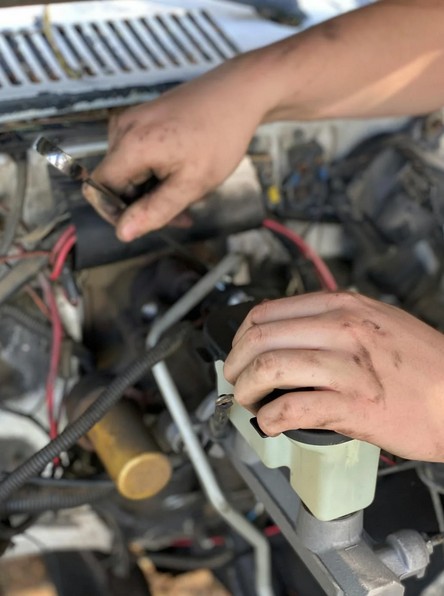
Driving comfort often depends on more than just a smooth engine or comfortable seats. One of the most overlooked elements of a pleasant driving experience is the efficiency of your vehicle’s air conditioning system. A properly functioning system helps regulate cabin temperature, reduce humidity, and maintain clear visibility while driving. Many drivers only realise the importance of air conditioning when it stops performing effectively. During a routine car service in Hawthorn, mechanics frequently identify weak cooling systems caused by low refrigerant levels. Over time, refrigerant gradually escapes from the system, which reduces cooling efficiency. Regular aircon regassing helps restore performance, improves comfort during long drives, and ensures the system continues to operate reliably in varying weather conditions.
The Role of Refrigerant in Your Car’s Cooling System
Your vehicle’s air conditioning system relies on refrigerant gas to remove heat from the cabin and circulate cool air. This refrigerant travels through a closed system that includes the compressor, condenser, evaporator, and expansion valve. When these components work together correctly, warm air from the cabin is absorbed and replaced with cooler air.
However, refrigerant levels naturally decline over time. Even in well-maintained vehicles, small amounts of gas can escape through seals and hoses. As refrigerant decreases, the air conditioning system must work harder to produce the same cooling effect.
When the system struggles to maintain temperature, drivers often notice slower cooling or inconsistent airflow. This is usually an early sign that regassing may be necessary. Restoring the correct refrigerant level allows the compressor to operate efficiently again, helping the entire system return to its optimal cooling capacity.
Maintaining proper refrigerant levels ensures the air conditioning system performs consistently, especially during warmer seasons when the demand for cooling increases significantly.
How Low Refrigerant Levels Affect Driving Comfort
A poorly performing air conditioning system can affect far more than cabin comfort. When refrigerant levels drop, cooling efficiency declines, and the system may struggle to maintain a stable temperature.
Drivers often experience weak airflow, delayed cooling, or warm air coming from the vents. These issues can become particularly noticeable during summer traffic or long road trips when the cabin temperature rises quickly.
Reduced cooling performance also affects passenger comfort. Excess humidity inside the vehicle can create a stuffy environment, making journeys uncomfortable for everyone inside the car.
Another common consequence of low refrigerant is fogging on windows. Without proper air conditioning performance, the system may struggle to remove moisture from the air. This can reduce visibility during colder mornings or rainy weather.
By maintaining adequate refrigerant levels through regular servicing, drivers can ensure their vehicle’s climate system continues to deliver a comfortable environment regardless of outside conditions.
The Connection Between Air Conditioning Efficiency and Vehicle Performance
Many drivers assume air conditioning affects only comfort, but it can also influence vehicle efficiency. When refrigerant levels fall too low, the compressor must work harder to circulate the remaining gas. This additional strain increases energy demand from the engine.
Over time, this added workload can reduce fuel efficiency and place unnecessary stress on related components. A struggling compressor may also wear out faster, leading to more costly repairs if the issue is not addressed early.
During routine vehicle inspections, mechanics may notice that the air conditioning system is no longer cooling as effectively as it should. In such situations, they may recommend an aircon regas in Hawthorn to restore the proper refrigerant levels within the system. Replenishing the refrigerant helps reduce pressure on the compressor, allowing the air conditioning system to run more efficiently while delivering consistent cooling and improved driving comfort.
With proper refrigerant pressure, the air conditioning system can cycle normally without placing excess load on the engine. This helps maintain both vehicle performance and energy efficiency while preserving the longevity of key cooling components.
Preventing Expensive Air Conditioning Repairs
One of the biggest benefits of regular regassing is preventing expensive mechanical failures. When refrigerant levels become too low, internal components such as the compressor may overheat or experience excessive friction.
Over time, this can cause seals to deteriorate, hoses to weaken, or compressor components to fail entirely. Repairing or replacing these parts can be significantly more expensive than performing routine maintenance.
Regular inspections allow technicians to detect small refrigerant losses before they escalate into major problems. Early detection also helps identify leaks within the system that may otherwise go unnoticed.
Maintaining the air conditioning system ensures that critical components operate within their designed pressure and temperature ranges. This preventative approach helps extend the lifespan of the system and reduces the likelihood of sudden breakdowns.
Routine care also contributes to a more reliable driving experience, particularly during warmer months when air conditioning demand is at its highest.
Why Seasonal Maintenance Keeps Your Air Conditioning Reliable
Vehicle air conditioning systems operate year-round, even when cooling is not actively used. During winter, the system still plays a role in removing moisture from the air and preventing windows from fogging.
Because of this continuous use, seasonal maintenance is essential. Regular servicing ensures that seals remain lubricated, refrigerant pressure stays balanced, and internal components operate smoothly.
Drivers often wait until summer to test their air conditioning, only to discover that the cooling performance has weakened significantly. Preventative maintenance helps avoid this situation by ensuring the system remains ready for seasonal temperature changes.
A well-maintained air conditioning system also improves overall driving comfort by maintaining consistent airflow and balanced cabin temperature. When the system operates efficiently, it contributes to a safer and more enjoyable driving experience.
Maintaining your vehicle’s climate system is not just about comfort; it also protects mechanical components from unnecessary stress and helps ensure long-term reliability.
A reliable air conditioning system plays a crucial role in maintaining driving comfort, safety, and vehicle efficiency. Over time, refrigerant levels naturally decline, reducing the system’s ability to cool the cabin effectively. Regular regassing helps restore proper cooling performance, reduce strain on the compressor, and maintain optimal airflow inside the vehicle.
Routine maintenance also helps prevent costly repairs by identifying small issues before they escalate into major mechanical problems. Ensuring your air conditioning system operates correctly improves comfort during daily commuting, long road trips, and seasonal weather changes.
For drivers who want to maintain a comfortable and well-performing vehicle, the experienced team at Bob Watson Service Centre can assist with professional inspections and maintenance. To discuss your vehicle’s air conditioning needs, call 03 9882 2451.