Brake performance is something most drivers take for granted—until it starts to feel slightly off. Unlike sudden mechanical failures, brake wear tends to happen slowly, making it difficult to notice changes day to day. Over time, small shifts in stopping distance, pedal feel, or responsiveness can become the new normal without raising immediate concern. Many mechanics in Hawthorn often point out that drivers adapt to these gradual changes without realising their braking efficiency has reduced. Understanding how and why this decline happens can help you stay ahead of potential safety risks and maintain better control on the road.
Everyday Driving Habits Slowly Wear Down Brake Components
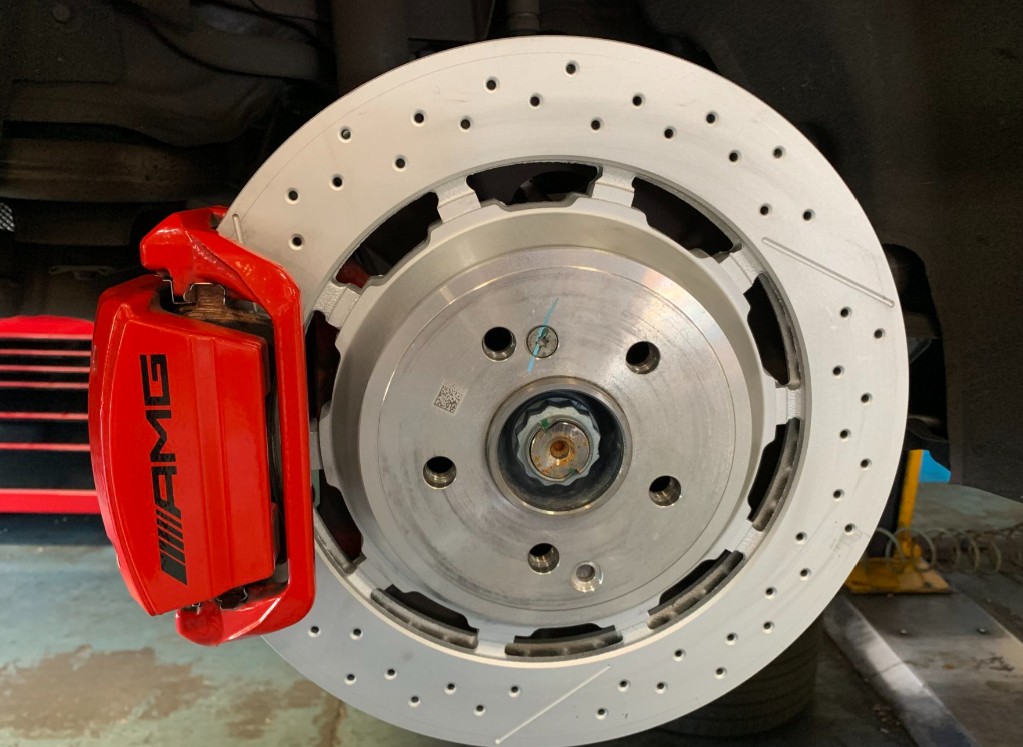
Brake systems are designed to withstand constant use, but everyday driving places ongoing pressure on key components. Each time you apply the brakes, friction is created between the pads and discs, gradually wearing them down.
City driving, especially in stop-start traffic, accelerates this process. Frequent braking generates heat, and over time, this heat affects both the brake pads and rotors. Even smooth drivers experience gradual wear simply due to regular use.
Because this wear happens incrementally, drivers rarely notice a clear moment when performance drops. Instead, braking efficiency decreases slowly, making it easy to overlook until the system becomes noticeably less responsive.
Consistent driving patterns can also create uneven wear across components, which may affect how the vehicle feels when slowing down. Without regular checks, these subtle changes often go unnoticed.
Changes in Brake Pedal Feel Are Easy to Ignore
One of the earliest signs of declining brake performance is a change in how the brake pedal feels under your foot. However, because this change happens gradually, it often doesn’t trigger concern straight away.
The pedal may feel slightly softer, require more pressure, or travel further before engaging the brakes effectively. Over time, drivers adjust to this new feel without realising that braking efficiency has reduced.
In some cases, drivers might notice a slight delay between pressing the pedal and the vehicle slowing down. This delay may be subtle at first but can become more noticeable if left unchecked.
Because these changes develop slowly, they are often mistaken for normal vehicle behaviour rather than a sign of wear. Paying attention to how your car responds can help identify issues earlier.
Brake Fluid Degradation Affects Performance Over Time
Brake fluid plays a crucial role in transferring force from the pedal to the braking system. However, like many vehicle fluids, it doesn’t last forever.
Over time, brake fluid absorbs moisture from the air. This reduces its effectiveness and can lead to a softer or less responsive brake feel. In extreme cases, it may even contribute to brake fade under heavy use.
The challenge is that fluid degradation is not immediately noticeable. It develops gradually, often without visible signs, making it easy for drivers to overlook.
Regular servicing helps ensure the brake fluid remains clean and effective. When fluid condition is maintained, the braking system responds more consistently and performs as expected.
Environmental Factors Play a Bigger Role Than Expected
External conditions can also influence how brake systems wear over time. Driving in wet weather, dusty environments, or areas with heavy traffic can all contribute to faster deterioration.
Water exposure can lead to minor corrosion on brake components, while dust and debris may affect how smoothly the pads interact with the discs. These factors can reduce braking efficiency without causing obvious symptoms.
Temperature changes also play a role. Repeated heating and cooling cycles can affect the structure of brake components, gradually reducing their effectiveness.
These environmental influences often work quietly in the background, making their impact difficult to detect during everyday driving.
Subtle Warning Signs Often Go Unnoticed
Brake systems usually provide small warning signs before performance becomes a serious concern. The issue is that these signs are often subtle and easy to ignore.
For example, a faint squeal when braking, slight vibrations through the steering wheel, or a small increase in stopping distance may not seem urgent at first. Over time, these signs can become more pronounced.
Some drivers may also notice the vehicle pulling slightly to one side when braking. This can indicate uneven wear or imbalance within the braking system.
During routine vehicle checks, mechanics may pick up on early signs that your brakes aren’t performing well. In these situations, getting brake repairs in Hawthorn at the right time can help keep your car safe and avoid more serious issues down the track.
Why Regular Checks Help Maintain Consistent Braking
Routine vehicle maintenance plays a key role in maintaining brake performance. While gradual wear is unavoidable, regular checks help identify issues before they affect safety.
Brake components such as pads, discs, and fluid can be inspected during scheduled servicing. This allows technicians to monitor wear levels and recommend adjustments or replacements when needed.
By keeping the braking system in good condition, drivers can maintain consistent stopping power and avoid unexpected changes in performance.
Regular attention also helps extend the lifespan of brake components, reducing long-term repair costs and improving overall driving confidence.
Brake performance rarely declines all at once. Instead, it fades gradually through everyday use, subtle changes in pedal feel, fluid degradation, and environmental exposure. Because these changes happen slowly, many drivers adjust without realising their vehicle is no longer braking as effectively as it should.
Understanding these patterns makes it easier to recognise early warning signs and take action before performance is compromised. Maintaining consistent braking is essential not only for safety but also for overall driving confidence.
If your vehicle’s braking behaviour feels slightly different or less responsive than before, it may be time to have it checked. The experienced team at Bob Watson Service Centre can help assess your vehicle and ensure everything is functioning as it should. Call 03 9882 2451 to arrange a professional check and keep your vehicle performing safely.
We proudly support drivers across Hawthorn East, Balwyn, Camberwell, Canterbury, Kew, Toorak, Burnley, Malvern and Glen Iris, helping maintain safe and reliable vehicles on the road.